
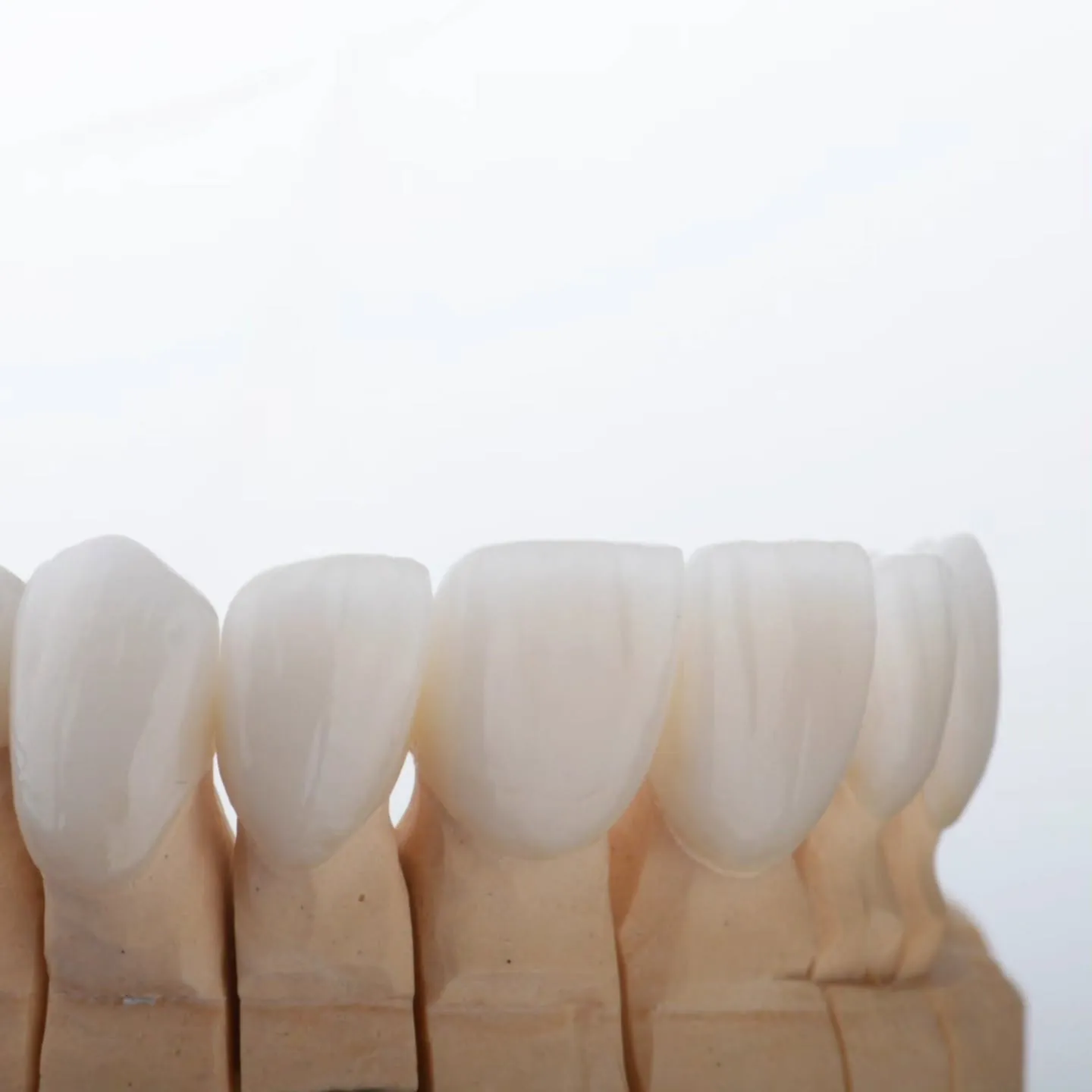
A dental crown is a custom-made cap that fits over a tooth, restoring its shape, strength and appearance. It is one of the most common restorations in dentistry, used when a tooth is too damaged for a simple filling but still has a healthy root worth keeping — after a large cavity, a fracture, or a root canal, for example.
The materials
Not all crowns are the same, and the material affects both look and cost:
- All-ceramic / zirconia: strong and natural-looking, popular for both front and back teeth. Zirconia in particular is prized for durability.
- Porcelain-fused-to-metal (PFM): a long-established option with a metal core for strength and a porcelain outer layer for appearance.
- Metal / gold alloys: extremely durable, though less used for visible teeth today for cosmetic reasons.

The procedure, step by step
- Preparation: the dentist shapes the tooth so the crown can fit over it, and takes a digital scan or impression.
- Temporary crown: in the traditional workflow, a temporary crown protects the tooth while a dental lab makes the permanent one, usually over one to two weeks.
- Fitting: at a second visit, the permanent crown is checked for fit, bite and colour, then bonded into place.
Some clinics offer same-day ceramic crowns milled on site, which can compress the timeline — a real advantage if you are travelling for treatment and want fewer visits.
Crown prices vary enormously between countries and even between clinics in the same city.

What actually affects the price
Crown prices vary enormously between countries and even between clinics in the same city. The honest drivers of cost are: the material chosen, the dental laboratory's fees, how many appointments are needed, and — by far the biggest factor — the general price level of the country you are treated in. Major dental work in Western Europe, the UK, Australia or North America typically costs several times what the same work costs in the Balkans, which is the entire reason dental tourism exists.